This is a demo store. No orders will be fulfilled.

SCARPA – precision and confidence on the trail
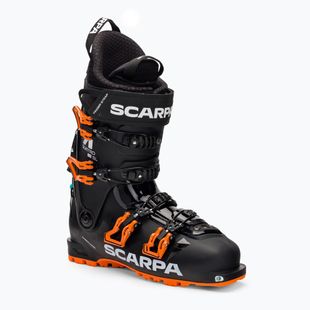
SCARPA is a brand for people who choose technical outdoor footwear tailored to mountain trails, rock routes and paths that run over variable terrain. In these activities not only appearance and lightweight construction matter, but above all reliability of movement , comfort during exertion and suitability for the nature of the outing. A properly chosen pair should support the foot on stones, roots, steep ascents and during long descents, when stable support and appropriate contact with the ground become particularly important. SCARPA shoes respond to the needs of people who want to consciously prepare for demanding terrain , changeable weather and an intense day outside the city.
When buying, it’s worth starting by determining where you will use the footwear most often. Different solutions work on long trekking routes, others during climbing, and yet others for running off-road. Key factors remain precise fit , type of surface , length of the planned route and the pace at which you usually move. Well-chosen footwear helps maintain control over your step , reduces foot fatigue and increases comfort when the terrain requires greater focus. Pay attention to sole stiffness, cuff height, toe space and tread design. These elements affect comfort over long distances and allow you to better match the model to real use. The greatest value comes from conscious preparation , where every piece of equipment supports readiness for changing conditions and lets you focus on the trail.
SCARPA trekking boots for challenging trails
SCARPA trekking boots should be matched to the difficulty of the route, the length of the trip and the load you plan to carry. For easier paths, forest roads and weekend trips, models that provide comfortable fit and a natural freedom of movement work well. On steep ascents, rocky sections and longer marches, stable ankle support , toe protection and a sole that ensures more confident contact with the ground become more important. Properly chosen footwear helps maintain balance on uneven terrain , especially when the route runs over wet roots, loose stones or paths with variable slope.
When choosing, pay attention to the profile of the terrain you most often walk on. In the mountains not only traction matters, but also how the shoe stabilizes the foot during descents. A well-designed construction supports control on steep sections , and the right cuff helps reduce heel slippage inside the shoe. Sole stiffness is also important, as it affects sensations during prolonged contact with hard or rocky ground. The model should provide comfort during long hours of walking , but it must not be too loose in the midfoot or too tight at the toes. It’s best to try shoes on with trekking socks and leave a small amount of space in front of the toes, especially if you plan long descents.
A practical choice also depends on the season and how you pack for the trip. In colder conditions and with a heavier backpack, models that provide greater stability and foot protection are useful. In lighter trekking, freedom of movement and a construction that doesn’t tire the legs during a full day of activity may be more important. Well-chosen shoes help maintain confidence on the trail , improve comfort and make it easier to focus on the views instead of foot fatigue.
SCARPA climbing shoes for better rock feel
SCARPA climbing shoes are intended for people who want to build technique on the wall, in the bouldering gym and when climbing on rock. In this activity precision of foot placement is hugely important, because even a small degree can decide the fluidity of the next move. A properly chosen model helps take advantage of ground feel , increases control when standing on small edges and supports a more conscious use of the legs. When buying, don’t rely only on the level of asymmetry or the appearance of the upper. More important is whether the shoe matches your skill level, training frequency and preferred climbing style.
Beginners usually appreciate comfort during learning and a construction that allows longer sessions on the wall without excessive pressure. More experienced climbers may look for models that support precise edging , better heel hooking or dynamic performance on overhangs. The most important thing is fit to the foot shape . A climbing shoe should fit well but must not cause pain that prevents concentration on technique. It’s worth checking how the toes sit, whether the heel remains stable and whether the construction allows confident use of the sole edge.
The choice is also influenced by the type of training. Bouldering often requires dynamic moves , friction work and quick position changes, while roped climbing also values comfort for longer periods in shoes. A well-fitted pair supports confidence on holds , helps develop technique and allows you to better use leg strength. Choose a model that matches your stage of development, because the right footwear enhances control while climbing , increases training satisfaction and helps you build skills more safely.
SCARPA trail running shoes for off-road challenges
SCARPA trail running shoes are a choice for people who take their training off the pavement and look for footwear prepared for forest trails, gravel, mud, stones and more demanding sections in the terrain. Trail running requires a different approach than calm kilometers on urban surfaces, because outsole traction , stability on uneven ground and protection of the foot from contact with protruding elements of the surface become more important. A well-chosen model allows you to handle changes of pace, ascents and descents more confidently while supporting the natural function of the foot during longer activity.
When choosing off-road running shoes, pay attention to the kinds of routes you most often run. On dry, compacted paths a construction that provides smooth running rhythm and comfort over longer distances will be useful. In more technical terrain, control on descents , proper toe protection and a sole that responds well to loose stones and wet surfaces become important. Also evaluate how the heel and midfoot fit. A stable foot inside the shoe helps reduce unnecessary sliding during quick direction changes.
The level of cushioning is also important and should correspond to run length, personal preferences and route character. Not every runner needs the same amount of underfoot protection, so consider your experience and training pace. A properly chosen pair supports comfort over long distances , helps maintain confidence on technical terrain and increases readiness to explore new paths. The best model is one that provides secure fit , matches the surface and lets you train with greater peace of mind regardless of conditions.
Matching SCARPA shoes to route, pace and experience
When choosing outdoor footwear, start with a realistic plan of your activities. A calm walk on an easy trail demands different things than a full-day trek with a backpack, and climbing or a fast run on technical terrain demands something else. The most important thing is matching the shoe to the activity , because that affects comfort, safety and satisfaction from movement. A properly chosen model should correspond to your experience level, trail conditions and how long you plan to stay in the shoes. Consider the nature of the surface , elevation change , expected weather and the weight of the gear you take with you.
When trying shoes on, pay attention to heel stability , toe space and midfoot comfort. The foot should not slip while walking, but it also must not be overly compressed. For trekking, control on descents is important, for climbing precision of foot placement matters, and for trail running confidence on uneven ground is especially crucial. In every case, well-fitted footwear helps reduce fatigue, improves comfort and allows you to focus on moving.
It’s not worth choosing a single pair solely for all possible activities. A model prepared for rocky approaches will not perform like a light trail running shoe, and climbing shoes serve completely different purposes than boots for long treks. The greatest value comes from a conscious choice of equipment , where you set priorities: traction, stability, comfort, lightness or protection. This approach increases readiness for demanding conditions , helps plan activities better and builds confidence in every step .
How to choose SCARPA shoes for mountain and sporting challenges?
The best choice starts with knowing your needs and honestly assessing the routes you most often cover. Consider whether you care more about long marches, faster movement on terrain, working on climbing technique or a versatile model for weekend trips. SCARPA footwear should support your individual activity style rather than force compromises you’ll notice after a few kilometres or during the first training session. Take into account frequency of use , skill level and the conditions where you spend time most often.
Don’t neglect size when choosing. Footwear should provide comfort without pressure while stabilizing the foot during movement. Try them on with appropriate socks, check heel behaviour while walking and make sure you have enough space in the front of the shoe. For longer routes a small toe allowance is helpful, while for climbing precise fit will be key. Also pay attention to lacing system , cuff height and sole profile, because all these elements affect comfort and control.
A well-chosen model supports safe skill development , makes planning future activities easier and allows you to get more enjoyment from time spent moving. The most important thing is that the footwear matches your route, pace and comfort expectations. This approach provides greater confidence in the outdoors , freedom during activity and readiness for new mountain or sporting goals.